Understanding Small Claims Court
Definition and Purpose of Small Claims Court
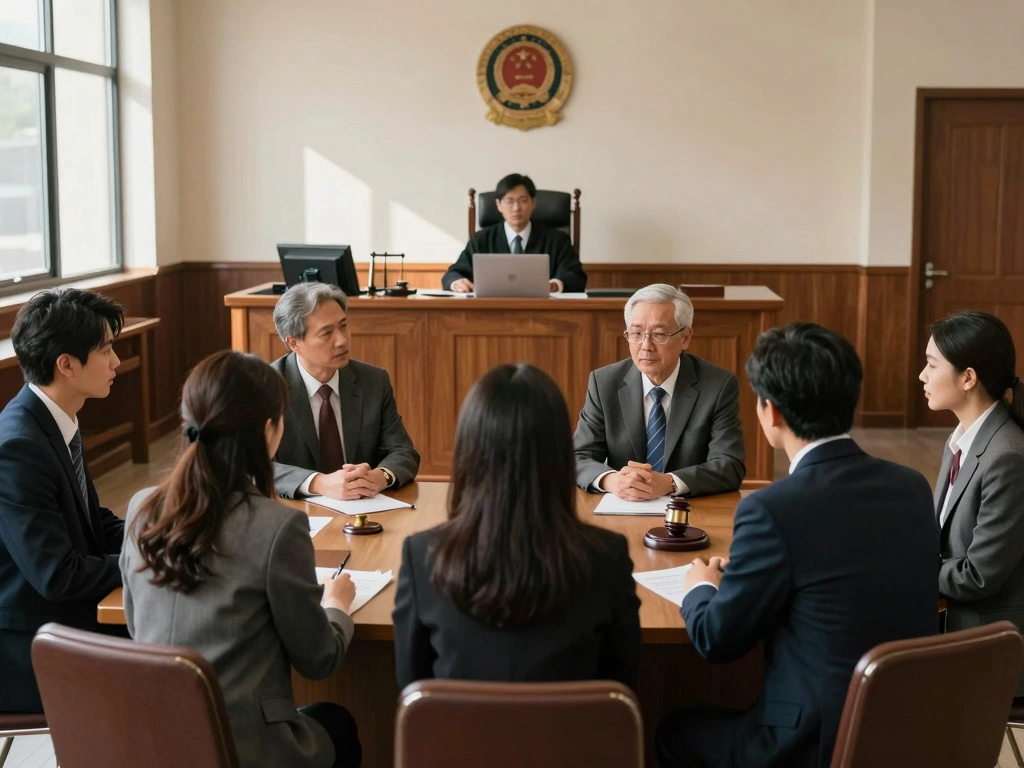
Small claims court is a specialized legal venue designed to resolve disputes involving relatively small amounts of money, typically without the need for lawyers. It provides an accessible and expedited means for individuals and businesses to recover debts, such as unpaid invoices, without the complexities and higher costs associated with regular court systems. By simplifying procedures, small claims courts aim to empower individuals and small business owners to seek justice and financial restitution for owed amounts.
Jurisdiction Limits and Amounts
The jurisdiction limits for small claims courts vary significantly by state and country, often ranging from $2,500 to $25,000. For instance, in California, the limit is set at $10,000 for individuals, while in Texas, it is capped at $20,000. These limits are crucial to know before proceeding, as filing a claim that exceeds the jurisdictional cap will result in automatic dismissal. Additionally, these courts generally handle cases involving contracts, property damage, and, notably, unpaid invoices. Understanding the specific jurisdictional limits in your area is essential for determining if small claims court is the right avenue for your situation.
Differences Between Small Claims and Regular Court
Small claims court differs from regular court in several key ways:
- Legal Representation: In small claims court, parties typically represent themselves without attorneys. This is in contrast to regular courts, where legal representation is common and often necessary.
- Procedural Formalities: Small claims courts feature streamlined procedures with fewer formal rules. This allows cases to be resolved more quickly, often on the day of the hearing, compared to the lengthy timelines associated with regular court cases.
- Cost: The filing fees in small claims court are generally lower than those in regular courts, making it a more affordable option for recovering unpaid debts.
Preparing Your Case for Small Claims Court
Gathering Evidence for Unpaid Invoices
To establish a strong case in small claims court, it is vital to gather all pertinent evidence related to the unpaid invoice. This includes:
- Invoices: Ensure you have copies of the original invoices sent to the debtor, including any details such as invoice numbers, dates, amounts owed, and payment terms.
- Correspondence: Collect all communication with the debtor, including emails, letters, and text messages that show attempts to collect the debt and any responses from the debtor.
- Contracts: If applicable, present any contracts or agreements that outline the terms of the transaction and the obligations of both parties.
- Payment Records: Document any payments that have been made and any relevant bank statements or receipts that support your claim.
Understanding the Documentation Required
When filing a claim for unpaid invoices, you'll need to submit specific documentation to the court. Requirements may vary by jurisdiction, but generally include:
- Claim Form: This is a standard form that outlines your claim and the amount you are seeking. Fill it out accurately and clearly.
- Evidence: Attach copies of all evidence gathered, such as invoices, contracts, and correspondence that support your claim.
- Proof of Service: You must provide evidence that the debtor has been properly notified of the claim, typically by serving them with a copy of the claim form.
Creating a Strong Argument for Your Claim
A compelling argument is essential for success in small claims court. Consider the following steps when formulating your argument:
- Clarify the Facts: Clearly outline the facts of the case, including how the debt occurred, the amount owed, and any relevant timelines.
- Highlight Legal Grounds: Reference any laws or contractual obligations that support your claim. For instance, if there are late payment penalties outlined in a contract, make sure to emphasize these.
- Prepare Your Statement: Draft a concise and persuasive statement summarizing your case, which you can present to the judge during the hearing.
Filing a Claim for Unpaid Invoices
Steps to File Your Small Claims Case
Filing a small claims case involves several steps:
- Determine the Proper Court: Identify the small claims court that has jurisdiction over the matter. This is usually based on the location of the debtor or where the contract was performed.
- Complete the Claim Form: Fill out the small claims form with accurate and detailed information regarding your claim.
- File Your Claim: Submit the completed claim form to the court, along with the required filing fee.
- Serve the Defendant: After filing, you must serve the defendant with a copy of the claim form, ensuring they are notified of the proceedings.
Filing Fees and Costs Involved
The costs associated with filing a small claims case can vary widely depending on the jurisdiction and the amount of your claim. Filing fees generally range from $30 to $75. Additional costs may include service fees for delivering documents to the defendant, which typically range from $20 to $50. It is crucial to factor in these costs when deciding whether to pursue a claim in small claims court.
Timelines and Deadlines to Consider
Timelines are critical in small claims court. Each jurisdiction has its deadlines for filing claims and serving defendants, generally ranging from 30 to 90 days from the date the debt became due. Ensure that you are aware of these deadlines to avoid dismissal of your claim. Additionally, once a claim is filed and served, a hearing date is typically scheduled within a month or two, depending on the court's calendar.
What to Expect During the Hearing
Presenting Your Case Effectively
When presenting your case in small claims court, it is essential to be clear and organized. Start by introducing yourself and stating the purpose of your appearance. Follow these tips for an effective presentation:
- Stay Focused: Stick to the facts and avoid introducing irrelevant information that may confuse the judge.
- Use Visual Aids: If possible, use visual aids such as charts or timelines to help illustrate your points.
- Practice Your Delivery: Rehearse your presentation beforehand to ensure you communicate confidently and clearly during the hearing.
The Role of the Judge in Small Claims Court
The judge in small claims court acts as an impartial decision-maker who listens to both parties and evaluates the evidence presented. They will ask questions to clarify points and may provide guidance on the legalities involved. Remember, the judge's role is to ensure a fair hearing, so be respectful and responsive to their inquiries.
Possible Outcomes and Judgments
After hearing both sides, the judge will render a decision, which may result in:
- Judgment in Favor of the Plaintiff: If the judge finds in your favor, they will issue a judgment against the debtor for the amount owed, which may include any additional costs related to the claim.
- Judgment in Favor of the Defendant: If the judge rules in favor of the debtor, your claim will be dismissed, and you may be responsible for their court costs.
- Settlement: Sometimes, the judge may encourage both parties to reach a settlement before the conclusion of the hearing.
Post-Hearing Actions and Collections
How to Enforce a Judgment for Unpaid Invoices
If you receive a judgment in your favor, the next step is enforcing it to collect the owed amount. Enforcing a judgment can involve several methods:
- Wage Garnishment: This legal process allows you to collect a portion of the debtor’s wages directly from their employer until the debt is paid.
- Bank Levies: You may be able to request a levy on the debtor's bank account, enabling you to withdraw funds directly to satisfy the judgment.
- Property Liens: Filing a lien against the debtor's property can prevent them from selling or refinancing until the debt is resolved.
Options for Further Action if Judgment is Not Paid
If the debtor fails to comply with the judgment, you have several options for further action. These include:
- Motion for Contempt: If the debtor refuses to pay, you can file a motion for contempt of court, which may result in additional penalties.
- Re-filing in Another Court: If the debtor moves out of state, you may need to re-file your claim in their new jurisdiction.
Negotiating Payment Plans with Debtors
In cases where the debtor is unable to pay the full amount immediately, consider negotiating a payment plan. This can increase the likelihood of recovering the owed funds. Establish clear terms, such as the amount to be paid, payment frequency, and any interest that may apply. Document the agreement in writing to ensure both parties are held accountable.